

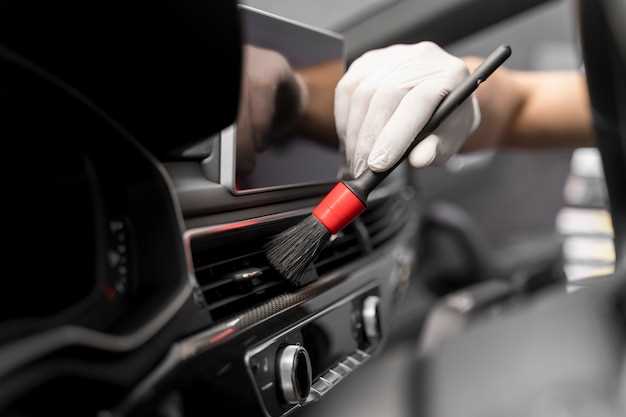
When it comes to preserving the charm and essence of classic Japanese cars, interior detailing plays a crucial role. These vehicles, often rich in history and character, deserve careful attention to detail to maintain their aesthetic appeal and functionality. This article will provide you with essential tips to ensure the interiors of your classic Japanese cars remain in pristine condition.
The interior of a classic Japanese car is not just about aesthetics; it is also about nostalgia and the emotional connection enthusiasts have with these timeless machines. Detailing the interior is about more than just cleaning; it’s about restoring and rejuvenating materials that may have faded over decades. From the dashboard to the upholstery, each component requires specific techniques and products tailored to vintage vehicles.
In this guide, we will explore various aspects of interior detailing, including cleaning, conditioning, and protecting different materials such as vinyl, leather, and fabric. We will also discuss the significance of using the right tools and products to prevent damage and ensure a thorough, respected approach to the art of car detailing. With these tips, you can help safeguard the value and beauty of your classic Japanese car’s interior for years to come.
Choosing the Right Cleaning Products for Vintage Interiors

Selecting appropriate cleaning products for vintage Japanese car interiors is essential for effective detailing while preserving the original materials. Classic vehicles often have unique upholstery, trim, and finishes that require specialized care. Start by assessing the materials used in the interior, such as leather, vinyl, cloth, or metal finishes.
For leather upholstery, opt for a pH-balanced leather cleaner that removes dirt without stripping natural oils. Follow up with a high-quality conditioner to maintain suppleness and prevent cracking. When detailing cloth seats or carpets, choose a gentle fabric cleaner that can lift stains without damaging the fibers. Consider steam cleaning for deep-rooted dirt without the use of harsh chemicals.
Vinyl surfaces require a different approach; a mild, all-purpose cleaner specifically formulated for automotive use will help preserve the integrity of the material. Avoid products containing alcohol or harsh solvents, as these can lead to fading and deterioration over time. Additionally, applying a protectant after cleaning can help prevent future damage from UV exposure and daily wear.
For metal trim and surfaces, use a non-abrasive metal polish that safely cleans and restores shine without scratching. Ensure that any product used is suitable for the specific type of metal, as some polishes are better suited for chrome, while others work well on aluminum or stainless steel.
Finally, always test any cleaning product on a small, inconspicuous area before full application to ensure compatibility with the interior materials. Taking the time to select the right cleaning products is crucial for maintaining the beauty and value of classic Japanese cars during the detailing process.
Restoring Original Fabrics and Materials in Japanese Classics
Restoring the original fabrics and materials in classic Japanese cars is crucial for maintaining their authenticity and charm. These vehicles often feature unique upholstery, carpets, and trim that reflect the design ethos of their era. To begin this process, assess the current condition of the interior materials. Look for signs of wear, fading, or damage that may need addressing.
Start with upholstery. Depending on the car, materials such as vinyl, cloth, or leather may be present. For fabric seats, consider using a specialized upholstery cleaner to remove dirt and stains without damaging the original fibers. If you encounter severe wear, seek out reproduction fabrics that match the original specifications. Many companies offer vintage fabric options that can be tailored to ensure a perfect fit.
Next, focus on the carpets. They are often a significant part of the car’s interior aesthetic. If the original carpet is too damaged to restore, choose a high-quality replacement that matches the thickness, color, and pile of the original material. Custom carpet kits are available and can replicate factory specifications, ensuring an authentic look.
Trim materials, including door panels and dashboards, should also be carefully evaluated. Vinyl and plastics can become brittle or discolored over time. For restoring these components, consider using dedicated plastics and vinyl restorers that can revitalize their appearance. In cases where replacement is necessary, sourcing original or high-quality reproductions is essential for preserving the car’s classic interior feel.
Finally, always handle all restoration processes with care. Using the wrong cleaning products or methods can lead to irreversible damage. Research materials and techniques specific to your model to safeguard originality. Following these tips will ensure your classic Japanese car maintains its heritage while enjoying a refreshed interior.
Maintaining Dashboard and Interior Trims without Damage

Proper maintenance of the dashboard and interior trims of classic Japanese cars is essential for preserving their aesthetic and functional qualities. Here are some effective tips to ensure that these components remain in excellent condition without incurring damage.
-
Use the Right Cleaning Products:
Choose pH-balanced cleaners specifically designed for automotive interiors. Avoid bleach or ammonia-based products as they can damage finishes.
-
Dust Regularly:
Use a microfiber cloth to dust surfaces frequently. This prevents dirt buildup which can scratch or dull the finish of the dashboard and trims.
-
Avoid Harsh Scrubbing:
When cleaning the dashboard and trims, use gentle circular motions instead of aggressive scrubbing to prevent scratches.
-
Test Products:
Before applying any product, test it on a small, inconspicuous area to ensure it doesn’t cause discoloration or damage.
-
Cover Private Surfaces:
Use a sunshade when parked to protect the dashboard from UV rays, which can cause fading and cracking over time.
-
Repair Minor Damages Promptly:
If you notice small scratches or dents, address them before they worsen. Use repair kits suitable for your dashboard material.
-
Avoid Direct Sun Exposure:
When possible, park in shaded areas or garages to minimize UV damage to the dashboard and interior trims.
Adhering to these maintenance tips will help ensure that the dashboard and interior trims of your classic Japanese car remain pristine and enjoyable for years to come.


