

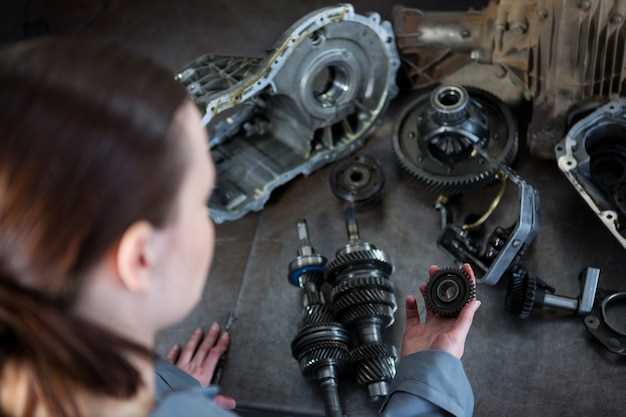
When it comes to maintaining and repairing vehicles, understanding the difference between OEM (Original Equipment Manufacturer) parts and aftermarket parts is crucial. OEM parts are produced by the vehicle’s manufacturer, ensuring they meet specific standards and specifications. On the other hand, aftermarket parts are created by third-party companies, often aiming to provide a cost-effective alternative to OEM components.
Identifying OEM parts requires attention to detail. These components typically come with a manufacturer’s warranty and are designed to fit seamlessly with your vehicle, preserving its integrity and performance. Conversely, aftermarket parts can vary significantly in terms of quality, reliability, and compatibility. Knowing how to recognize the differences between these two types of parts can save you time, money, and potential headaches in the long run.
In this article, we will explore key factors that can help you distinguish between original and aftermarket parts, including packaging, labeling, performance, and pricing. By equipping yourself with this knowledge, you can make informed decisions that ensure your vehicle remains in optimal condition.
Identifying OEM Parts: Key Features to Look For

When distinguishing OEM (Original Equipment Manufacturer) parts from aftermarket alternatives, there are several key features to consider. First and foremost, packaging plays a critical role. OEM parts are usually packaged in branded boxes or containers that clearly display the manufacturer’s logo, part number, and any other relevant identifying information.
Next, inspect the part itself. Genuine OEM parts are manufactured to the exact specifications of the original components, meaning they typically exhibit superior craftsmanship. Look for precise measurements, accurate color matching, and high-quality materials that are consistent with the original parts installed in your vehicle.
Another important aspect is the presence of identifying marks such as part numbers, barcodes, or holograms. These identifiers allow you to confirm authenticity. It is advisable to cross-reference these details with the manufacturer’s database or official resources to ensure the part is indeed OEM.
Additionally, consider the warranty offered. Genuine OEM parts generally come with a warranty directly from the manufacturer, which is an indicator of their reliability and quality. Aftermarket parts, on the other hand, may offer limited or no warranty at all.
Finally, purchasing from certified dealers or authorized retailers can further assure that you are acquiring genuine OEM parts. These suppliers are more likely to provide authentic components and can assist with any queries regarding part identification.
Recognizing Aftermarket Parts: Common Indicators of Quality
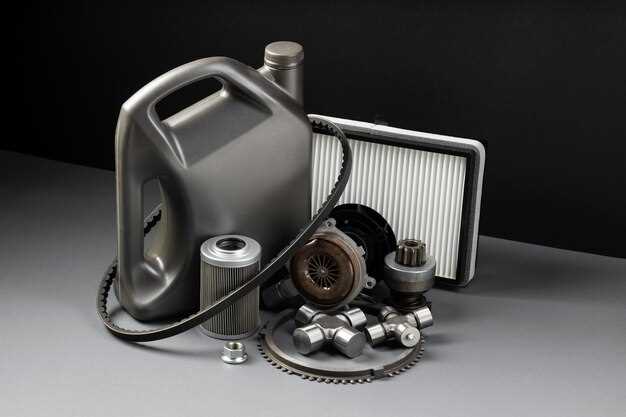
When evaluating aftermarket parts, there are several indicators that can help determine their quality. First, check for certifications. High-quality aftermarket parts often meet or exceed industry standards, such as those set by the International Organization for Standardization (ISO) or the Society of Automotive Engineers (SAE). Parts with these certifications signal that they have undergone rigorous testing and are reliable.
Next, consider the brand reputation. Established aftermarket manufacturers with a history of producing reliable components usually maintain strict quality control measures. Research customer reviews and feedback to gauge the overall satisfaction with the product.
Another crucial factor is the material used in the part’s construction. OEM parts are typically made from high-quality materials to ensure durability and longevity. Aftermarket parts that use inferior materials may be less effective and prone to failure. Look for information on the materials used and choose aftermarket options that match or exceed OEM specifications.
Fit and finish are also important. Quality aftermarket parts should fit seamlessly with the original components, maintaining proper mechanics and alignment. Poor fit can lead to installation issues and shorten the lifespan of the part. If possible, inspect the part visually to ensure it meets the standards of the OEM piece.
Warranty offers can indicate the manufacturer’s confidence in their product. A longer warranty period from an aftermarket manufacturer can be a sign of a reliable part. Manufacturers who stand behind their products tend to produce higher quality parts, as they aim to minimize returns and defects.
Lastly, pricing can provide some insight into quality. While the cheapest option may be tempting, be wary of significantly lower-priced aftermarket parts as they might compromise on quality. Investing in a reputable aftermarket part can save money in the long run by avoiding frequent replacements and repairs.
Understanding the Impact: How the Choice Affects Vehicle Performance
The choice between OEM (Original Equipment Manufacturer) parts and aftermarket parts can significantly influence a vehicle’s performance. OEM parts are built to meet the exact specifications set by the manufacturer, ensuring compatibility and reliability. These components are designed to work seamlessly with the vehicle’s systems, promoting optimal performance and efficiency.
In contrast, aftermarket parts vary widely in quality, design, and performance. While some may offer enhancements, others could lead to subpar performance or even damage. Using aftermarket components can result in issues such as misfitting, decreased fuel efficiency, or altered handling characteristics, which can compromise safety and longevity.
When OEM parts are installed, they uphold the vehicle’s engineering integrity, ensuring that all systems – from the engine to suspension – function as intended. This preemptive compatibility reduces the likelihood of unexpected failures and repairs down the line. On the other hand, aftermarket parts might lack the same level of quality control, leading to potential performance inconsistencies.
Ultimately, the choice between OEM and aftermarket parts should be made with careful consideration of the specific needs of the vehicle and the desired performance outcomes. Understanding the implications of this decision can help vehicle owners maintain their automobiles in peak condition while optimizing performance and safety.


