

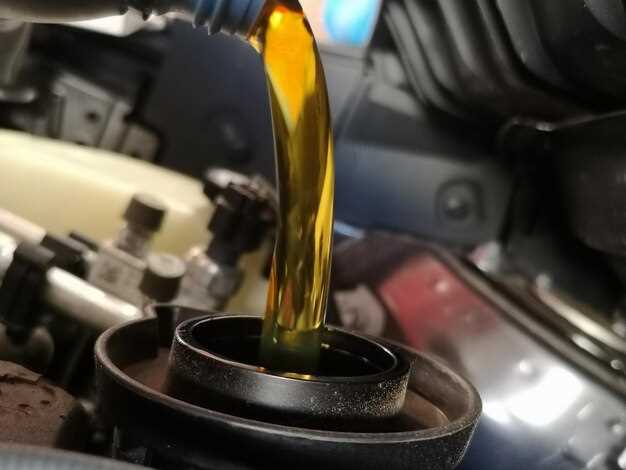
Proper care for older car engines is essential for maintaining performance and longevity. One of the most critical aspects of engine maintenance is regular oil changes. Many owners overlook the specific needs of older engines, leading to potential issues down the line. Understanding how frequently to change the oil can be the difference between a reliable vehicle and costly repairs.
For older car engines, the frequency of oil changes often depends on several factors, including the age of the engine, driving conditions, and the type of oil used. While modern vehicles may recommend oil changes every 5,000 to 7,500 miles, older engines may benefit from more frequent changes–potentially every 3,000 to 5,000 miles. This recommendation helps ensure that the engine remains lubricated and protected from wear.
Regularly changing the oil not only keeps the engine running smoothly, but it also helps remove contaminants that accumulate over time. Older engines might produce more sludge and deposits, making it vital to establish a routine that prioritizes oil change intervals. By understanding and following these guidelines, car owners can significantly extend the life of their cherished older vehicles.
Determining the Right Oil Change Interval for Vintage Vehicles

When it comes to maintaining vintage vehicles, one of the most critical aspects is ensuring the engine runs smoothly. Regular oil changes are essential for the longevity and performance of older engines. However, determining the right oil change interval requires a careful consideration of various factors.
First and foremost, it’s important to consider the type of oil being used. Classic cars may benefit from oils designed specifically for older engines, which often have different additives compared to modern synthetics. Conventional oil typically needs to be changed more frequently than synthetic options, making it vital to check the manufacturer’s recommendations or consult a mechanic familiar with vintage models.
Secondly, driving conditions play a significant role in how often oil should be changed. Vehicles that are driven infrequently or stored for long periods may require less frequent changes, as the oil can stay cleaner longer. However, for vintage cars driven regularly or used in challenging conditions–such as stop-and-go traffic or extreme temperatures–the oil should be replaced more often to protect engine parts from wear and degradation.
Another factor to consider is the age and condition of the engine itself. Older engines may have greater tolerances and leakage, necessitating more frequent oil changes to ensure the engine’s components remain lubricated effectively. Regular inspections and monitoring the oil’s appearance can provide insight into when a change is required. If the oil appears gritty or discolored, it’s an indication that it’s time for a replacement.
Lastly, staying proactive about engine care by maintaining a consistent schedule is critical. Many vintage car enthusiasts recommend changing the oil every 3,000 to 5,000 miles, but this can vary based on the factors mentioned above. Keeping detailed records of oil changes and monitoring engine performance can help determine the optimal interval for each unique vintage vehicle.
By paying close attention to the type of oil, driving conditions, and engine maintenance history, vintage car owners can better ascertain the ideal oil change interval, ultimately enhancing engine performance and longevity.
Signs That Indicate Your Older Car Needs an Oil Change

Regular oil changes are crucial for maintaining the health of your older car’s engine. Here are some key signs that indicate it might be time to change the oil.
1. Dark, Gritty Oil: Fresh oil is typically a golden or amber hue. If you notice that the oil is dark, thick, or gritty, it suggests that it has accumulated dirt and debris, compromising its ability to lubricate the engine effectively.
2. Unusual Engine Noise: If your engine starts making knocking or ticking sounds, it could be a sign that the oil is not providing adequate lubrication. Old or contaminated oil fails to lubricate moving parts, leading to increased friction and noise.
3. Oil Change Light: Many modern vehicles have an oil change indicator light on the dashboard. If this light illuminates, it is a direct alert that the oil needs to be changed, regardless of the mileage covered since the last change. Trust this sensor, especially in older cars.
4. Exhaust Smoke: If you begin to see blue or gray smoke coming from the exhaust, it may indicate that the engine oil is burning. This situation requires immediate attention, as it often signifies that your oil levels are critically low or that there’s an underlying engine issue.
5. Decreased Oil Levels: Regularly check the oil dipstick. If you notice that your oil level is consistently low, it’s a clear indication that the oil is either being consumed or leaking. Both scenarios necessitate an oil change and might require further investigation into possible leaks.
6. Harsh Driving Conditions: If your older car has been subjected to stop-and-go traffic, extreme temperatures, or towing, it may require more frequent oil changes. These conditions put extra stress on the engine, leading to faster oil degradation.
Being attentive to these signs can help maximize the lifespan of your older car’s engine and ensure it runs smoothly for years to come.
Choosing the Best Oil Type for Classic Engine Care
When it comes to maintaining older car engines, selecting the right oil type is crucial for optimal performance and longevity. Classic engines often require special care due to their unique designs and materials. Regularly changing the oil can help prevent wear, reduce sludge buildup, and keep engine parts lubricated effectively.
First and foremost, consider the viscosity rating of the oil. Classic engines typically perform better with oils that have a higher viscosity, especially if they were designed before the introduction of modern low-viscosity oils. For many older engines, a weight of 10W-30 or 20W-50 is often recommended, as these oils provide adequate protection at both hot and cold temperatures.
Secondly, the choice between conventional and synthetic oils can significantly impact engine care. While synthetic oils offer superior protection and can extend oil change intervals, they may not be necessary for every classic engine. Many enthusiasts prefer using high-quality conventional oils blended with additives tailored for vintage vehicles, ensuring proper lubrication and minimizing leaks.
Finally, it is essential to choose oils that contain zinc additives, especially if the engine has flat-tappet camshafts. Zinc is vital for reducing wear on these components, and modern oils may lack sufficient levels. Look for oils specifically formulated for classic cars, as they are designed to meet the distinct needs of older engines.
In conclusion, choosing the best oil type for classic engine care requires careful consideration of viscosity, base oil type, and special additives. Regular oil changes with the right oil can significantly enhance the performance and lifespan of vintage automobiles, ensuring that they continue to run smoothly for years to come.


