

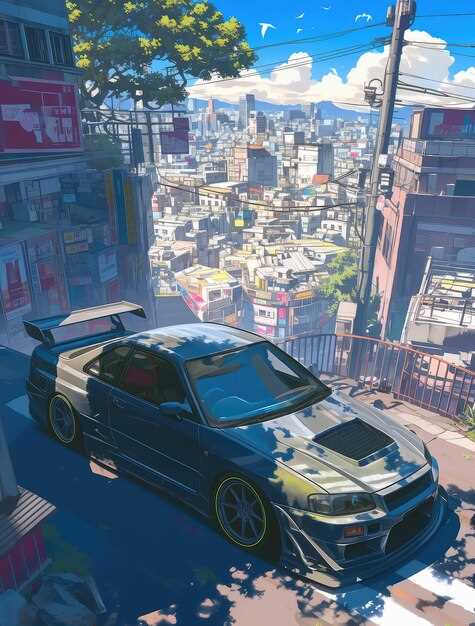
The intersection of Japanese classic cars and American pop culture has sparked a unique narrative that reflects the evolving landscape of automotive aesthetics and cultural exchange. As the global automotive industry expanded in the latter half of the 20th century, Japanese cars began to infiltrate American garages and streets, capturing the attention of enthusiasts and casual drivers alike. Their distinctive designs and innovative engineering introduced a fresh perspective to the American car scene, challenging traditional notions of performance and style.
This influence has been profoundly documented through various forms of media, from films and television shows to music and art. Iconic movies such as “Fast and Furious” franchises have showcased Japanese cars, elevating their status from mere vehicles to symbols of identity and rebellion. The aesthetic appeal and cultural significance of models like the Nissan Skyline and Toyota Supra have become ingrained in the fabric of American youth culture, influencing fashion, language, and even lifestyle choices.
Moreover, the media representation of Japanese classic cars has sparked a resurgence in nostalgia and appreciation for vintage automotive design. Documentaries, social media platforms, and car enthusiast forums have helped to create a vibrant community around these vehicles, where fans celebrate their history and unique characteristics. This ongoing dialogue between Japan and America not only highlights the cars themselves but also reflects broader themes of globalization, creativity, and cultural fusion in the automotive world.
Iconic Films Featuring Japanese Classic Cars
Japanese classic cars have gained significant exposure in American pop culture through various iconic films. These vehicles not only represented a shift in automotive design and engineering but also became symbols of youth culture and rebellion.
One of the most renowned films showcasing Japanese classic cars is “The Fast and the Furious” franchise. The series prominently features the Toyota Supra, Nissan Skyline, and Mazda RX-7, capturing the essence of street racing and car culture. These vehicles serve as more than mere props; they embody the thrill and adrenaline of the racing world, contributing to the film’s global appeal.
An earlier example is “Ronin,” where a Nissan Skyline GT-R performs breathtaking stunts in high-speed chases through the streets of Paris. The film’s intense action and the car’s engineering excellence highlight Japan’s automotive prowess, making it a pivotal moment in cinema featuring Japanese vehicles.
Additionally, “Tokyo Drift,” a part of “The Fast and the Furious” series, specifically centers around the drifting culture of Japan. It not only introduces Japanese classics like the Honda S2000 and Nissan 240SX but also showcases the unique style and technique associated with drifting, further amplifying the cultural significance of these cars.
Films such as “Initial D,” based on a popular manga and anime series, have also contributed to the exposure of Japanese cars, particularly the Toyota AE86. The film’s focus on street racing and car tuning resonated with audiences, cementing the AE86 as an iconic vehicle in the automotive community.
Through these films, Japanese classic cars have transcended their roles as simple machines, evolving into cultural icons that reflect freedom, innovation, and the spirit of a generation. Their presence in cinema continues to inspire car enthusiasts and filmmakers alike, ensuring their legacy in both the automotive and entertainment industries.
The Rise of Japanese Cars in Music and Fashion Trends
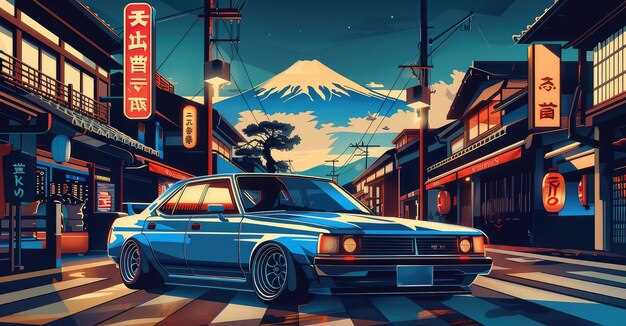
The emergence of Japanese cars in American pop culture has significantly impacted both music and fashion trends. From the late 1970s to the present, these vehicles have become synonymous with a certain lifestyle that resonates with younger generations. Artists and musicians have often incorporated Japanese cars into their work, using them as symbols of freedom, rebellion, and creativity.
In the music industry, genres such as hip-hop and pop frequently reference Japanese car culture. Rappers and singers boast about their modified vehicles, showcasing brands like Honda, Toyota, and Nissan in their music videos. Tracks that highlight car culture often feature racing, customization, and the vibrant street scenes associated with these cars. This representation in media has reinforced the idea of personalization, as fans aspire to replicate the styles seen in their favorite artists’ vehicles.
Fashion trends have also been influenced by the aesthetics of Japanese cars. Apparel brands have drawn inspiration from automotive design, incorporating elements like sleek lines and vibrant colors into their clothing lines. Streetwear has embraced Japanese car culture, with graphic tees, hoodies, and hats featuring iconic car models or racing logos becoming staples in urban fashion. The synergy between music and fashion, propelled by the presence of these vehicles, illustrates a broader cultural phenomenon where Japanese cars symbolize a lifestyle that celebrates individuality and creativity.
Moreover, automotive events like car meets and shows often serve as venues for fashion statements, where enthusiasts showcase not only their vehicles but also their unique styles. The influence of Japanese cars in media continues to shape the trends of tomorrow, solidifying their place in the worlds of music and fashion while fostering a community that cherishes innovation and self-expression.
Community Engagement: Car Shows and Social Media Impact

Car shows dedicated to Japanese classic cars serve as vibrant gatherings that foster community spirit among enthusiasts. These events not only showcase the intricate designs and engineering of vehicles like the Toyota Corolla and Nissan Skyline but also allow individuals to share their passion and connect with others who appreciate the same heritage. Attendees often come from diverse backgrounds, creating a rich tapestry of culture and experiences that is integral to the classic car community.
Social media plays a pivotal role in amplifying the reach and impact of these car shows. Platforms such as Instagram and Facebook enable enthusiasts to share photos, videos, and stories from the events, generating excitement and anticipation long before the actual gatherings. Hashtags like #JDMfamily and #ClassicJapaneseCars facilitate discussions, allowing fans to engage with one another, share restoration tips, or even locate rare parts. This online interaction can lead to offline relationships, as individuals often coordinate meet-ups or collaborate on projects inspired by the content they see on their feeds.
Moreover, social media influencers within the classic car space have the power to shape perceptions and trends. Their reviews and tutorials can legitimize certain models or restoration techniques, impacting what enthusiasts seek in the market. When a popular figure highlights a particular Japanese classic, it can reignite interest in that model, driving attendance at related shows and boosting local economies. This influence illustrates how the media landscape can create a ripple effect that enhances both community engagement and a shared appreciation for Japanese automotive history.
In essence, the combination of car shows and social media engagement has transformed the way enthusiasts connect and celebrate their shared interest. Together, they create a dynamic ecosystem where information, inspiration, and camaraderie thrive, ensuring that the legacy of Japanese classic cars continues to resonate within American pop culture.


