

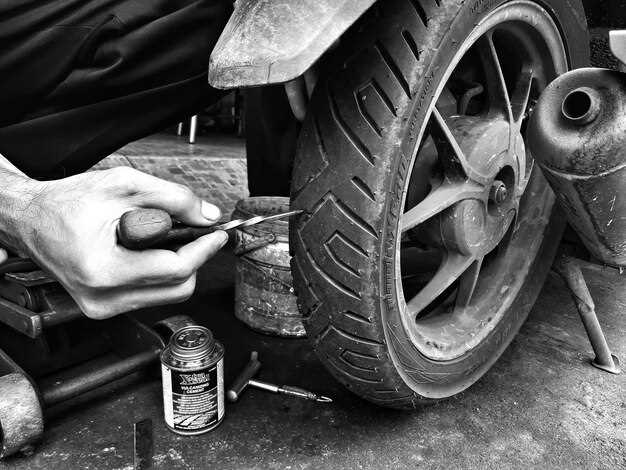
Ensuring the safety of your rare JDM (Japanese Domestic Market) vehicle goes beyond regular check-ups and routine maintenance; one of the most critical aspects is the tires. As the only contact between your prized possession and the road, tires play a vital role in your vehicle’s performance, handling, and overall safety. Proper tire maintenance is not just a suggestion; it is a necessity that can prevent accidents and enhance your driving experience.
Given the unique specifications that JDM vehicles often possess, maintaining tires also requires a specialized approach. The right tire pressure, tread depth, and alignment are crucial factors in maximizing the lifespan of your tires while ensuring optimal safety on the road. Regular inspections and timely replacements are invaluable practices that every JDM owner should prioritize, as they affect not only the vehicle’s functionality but also its resale value.
In the world of rare JDM cars, where performance and aesthetics often intertwine, neglecting tire maintenance can lead to serious consequences. Understanding the specific requirements of your vehicle’s tires, along with the environmental and driving conditions you encounter, will empower you to make informed decisions that ensure both safety and longevity. Join us as we delve into the essential strategies for maintaining tires on your rare JDM vehicle, keeping your ride safe and exhilarating.
Selecting the Right Vintage Tires for Your JDM Classic
Choosing the right vintage tires for your JDM classic is essential for both performance and safety. When selecting tires, consider the following factors:
Tire Type: Vintage tires come in various types, including bias-ply and radial. Bias-ply tires are often more authentic for older models but may not provide the same level of handling as radial tires. Assess your driving style and whether you prioritize authenticity or modern performance.
Size Specifications: Ensure that the tires you choose fit your vehicle’s specifications. Refer to the owner’s manual or tire placard for the correct size. Using the appropriate size ensures optimal performance and safety on the road.
Tread Design: The tread pattern affects grip, noise, and wet-weather performance. Look for tires with a tread design that complements your driving conditions. If you plan on driving in varied weather, consider tires that offer good wet traction while maintaining the classic appearance.
Brand Reputation: Research tire brands that specialize in vintage offerings. Established brands with a good reputation for quality and performance will provide better assurance of safety than lesser-known manufacturers.
Age and Condition: Always check the manufacturing date on vintage tires. Tires older than six years may degrade in performance and safety, even if they appear to be in good condition. Prioritize purchasing from reputable sources that provide clear information on tire age.
Performance Ratings: Many vintage tires have performance ratings associated with their design. Review these ratings to find tires that match your driving habits, whether that involves occasional spirited drives or regular road use.
By carefully considering these factors, you can select vintage tires that enhance both the performance and safety of your beloved JDM classic, allowing you to enjoy the nostalgia and driving experience that comes with it.
Regular Tire Maintenance Practices to Ensure Safety
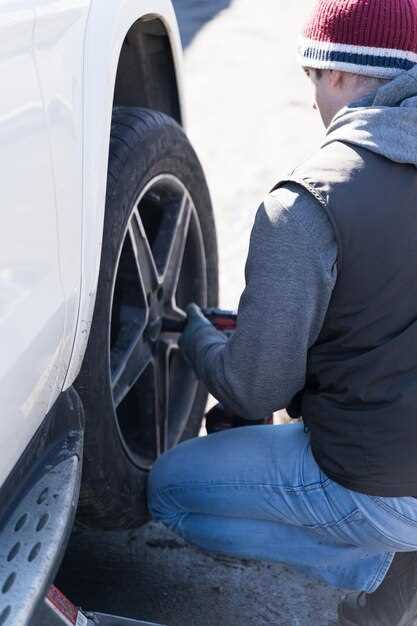
Ensuring the safety of your rare JDM vehicle largely hinges on the condition of its tires. Regular tire maintenance is crucial not only for performance but also for your safety on the road. This includes frequent inspections, proper inflation, and regular rotation.
Start by checking tire pressure at least once a month. Properly inflated tires enhance handling and fuel efficiency while reducing the risk of blowouts. Use a reliable tire pressure gauge to ensure each tire meets the manufacturer’s recommended PSI levels. Remember, temperature fluctuations can affect pressure, so check it when the tires are cold.
Tire tread depth is another vital aspect of maintenance. A depth of at least 2/32 inches is required for safe driving, but more is preferable for enhanced grip. Use the penny test; insert a penny into the tread with Lincoln’s head facing down. If you can see all of Lincoln’s head, it’s time to replace your tires.
Regularly inspect tires for uneven wear, cracks, or foreign objects lodged in the tread. Uneven wear can signal alignment or suspension issues that require immediate attention. Keeping an eye out for these problems can prevent costly repairs and enhance safety.
Tire rotation is advisable every 5,000 to 7,500 miles to promote even wear. This involves moving tires from one position to another, such as front to back. Consult your vehicle’s manual for specific recommendations related to your JDM model.
Finally, consider a professional inspection. A qualified technician can assess tire health, perform alignments, and balance tires, ensuring optimal performance. Prioritizing regular maintenance practices will extend the life of your tires and significantly contribute to your vehicle’s overall safety.
Identifying Signs of Tire Wear and When to Replace
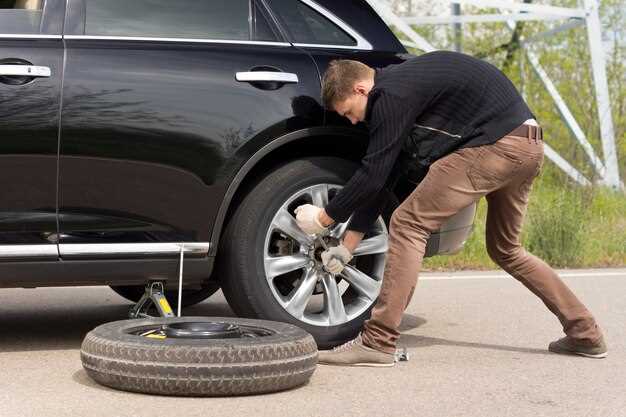
Maintaining the tires on your rare JDM vehicle is essential not only for performance but also for your safety. Regularly inspecting your tires for signs of wear can help you determine when it’s time for a replacement.
One of the first indicators of tire wear is the tread depth. Use a tread depth gauge or the penny test: insert a penny into the tread with Lincoln’s head down. If you can see the top of his head, it’s time to replace your tires. Adequate tread depth is crucial for maintaining traction, especially in wet conditions.
Another sign is the presence of uneven wear patterns. Check each tire for bald spots or wear on one edge. This can indicate misalignment or issues with your vehicle’s suspension. Addressing these issues promptly can extend the lifespan of your tires.
Cracks, bulges, or blisters on the sidewalls are serious signs of tire degradation. These defects can lead to blowouts, posing significant risks to your safety. If you notice any of these issues, it is essential to replace the affected tire immediately.
The age of the tire also matters. Even if the tread appears acceptable, tires older than six years should be inspected thoroughly. Rubber degrades over time and can lead to failures regardless of tread condition.
Regular maintenance checks, including tire rotation and balance, will not only help enhance tire longevity but also provide a safer driving experience. Keeping an eye on these signs will ensure your rare JDM vehicle performs optimally without compromising safety.


