

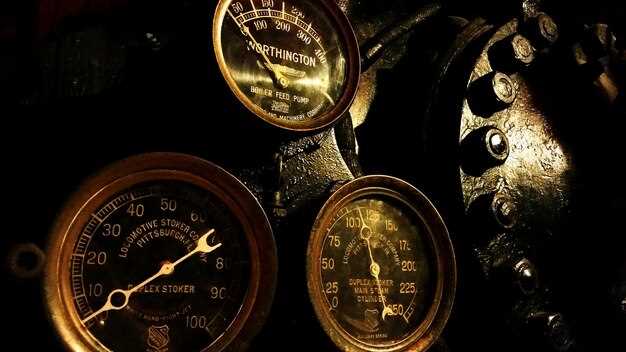
For many classic car enthusiasts, the dashboard is not just a functional component but a centerpiece that embodies the spirit of the vehicle. Restoring vintage gauges and clusters is a crucial aspect of preserving the authenticity and aesthetic appeal of classic cars. These components, often faded or malfunctioning due to age, play a significant role in enhancing the overall driving experience while maintaining the vehicle’s historical integrity.
A well-restored dashboard with functioning gauges can transport both the driver and passengers back in time, creating a nostalgic atmosphere that modern vehicles simply cannot replicate. The meticulous process of refurbishing these components involves careful attention to detail and a profound understanding of the original design and materials used. Whether it’s a vintage speedometer, fuel gauge, or tachometer, each piece tells a story that contributes to the car’s legacy.
In this article, we will delve into the techniques, tools, and best practices for restoring vintage gauges and clusters. From selecting the right replacement parts to reconditioning the existing components, you will discover how to breathe new life into your classic car’s dashboard. By preserving these historical elements, you not only honor the craftsmanship of the past but also ensure that future generations can appreciate the enduring beauty of these automotive treasures.
Assessing the Condition of Your Vintage Gauges
Evaluating the condition of your vintage gauges is essential before initiating any restoration process. Start by visually inspecting each gauge for signs of physical damage, such as cracks in the glass, rust on the casing, or worn-out mounting hardware. Pay attention to the clarity of the dial and whether the needle moves freely. A gauge with a stuck or damaged needle may not function correctly even after restoration.
Next, check the electrical connections. Vintage gauges often rely on older wiring, which can deteriorate over time. Look for frayed wires, loose connections, or corroded terminals that may hinder electrical flow. Ensure that the gauge wiring harness is intact and compatible with the original electrical system of the classic car.
It’s also important to assess the calibration of the gauges. Over time, gauges can become uncalibrated, resulting in inaccurate readings. If you have access to a multimeter or other measuring devices, use them to verify the accuracy of your gauges against standard measurements. This step will help identify specific gauges that require more attention during the restoration process.
Consider removing the gauges from the cluster to perform a thorough inspection. This allows you to access the internal components, where dirt, dust, or corrosion may be present. Cleaning these parts carefully can improve performance and reliability. Take note of any missing or broken internal components, as these will need to be sourced or repaired before reassembly.
Lastly, document the findings during your assessment. Creating a detailed report of the condition of each gauge will assist you in planning your restoration efforts. This documentation will serve as a reference to track progress and identify the specific repairs needed to restore the gauges to their original functionality.
Step-by-Step Guide to Disassembling and Cleaning Dashboard Clusters

Restoring vintage gauges and dashboard clusters requires careful attention to detail. This guide will walk you through the process of disassembling and cleaning dashboard clusters to help preserve their vintage charm.
-
Gather Your Tools:
- Screwdrivers (Phillips and flathead)
- Torx drivers (if applicable)
- Plastic pry tools
- Soft cloth or microfiber towel
- Cotton swabs
- Electronic contact cleaner
- Sanitizing wipes
- Container for small parts
-
Disconnect the Battery: Before you start, ensure the vehicle’s battery is disconnected to prevent any electrical damage or short circuits.
-
Remove the Dashboard Panel:
- Identify and remove screws holding the dashboard in place.
- Carefully detach any clips or fasteners.
- Gently pull the dashboard panel away from the chassis, being cautious of connected wires.
-
Take Out the Gauge Cluster:
- Locate the screws securing the gauge cluster to the dashboard.
- Remove any connectors carefully, making note of their arrangement for reassembly.
- Lift the gauge cluster out gently.
-
Disassemble the Gauge Cluster:
- Using a screwdriver or plastic pry tool, carefully open the cluster casing.
- Take note of any screws or clips that hold the crystal and the internal components.
- Separate the gauge faces from the housing while handling with care to avoid damage.
-
Clean the Components:
- Use a microfiber towel to wipe down the exterior surfaces of the gauge cluster.
- For intricate areas, dampen a cotton swab with electronic cleaner and gently clean sensitive components.
- Apply sanitizing wipes on non-electrical components to remove grime and ensure cleanliness.
-
Inspect for Damage: Check for any cracks or significant wear on the gauges. Replace or repair components if necessary.
-
Reassemble the Gauge Cluster:
- Carefully place the gauge faces back into the housing in the correct orientation.
- Secure with screws or clips previously removed.
-
Secure the Cluster in the Dashboard:
- Reattach the gauge cluster to the dashboard.
- Reconnect any wiring and ensure all connections are firm.
-
Reinstall the Dashboard Panel:
- Position the dashboard back into place and secure with screws and clips.
- Double-check the alignment of all panels and ensure a snug fit.
-
Reconnect the Battery: Once everything is in place, reconnect the battery and test the dashboard lights and gauges.
By following this detailed guide, you can restore your vintage dashboard clusters to their former glory, ensuring both functionality and aesthetics for years to come.
Selecting Replacement Parts and Upgrades for Optimal Performance
When restoring vintage gauges and clusters in classic cars, choosing the right replacement parts and upgrades is crucial for achieving optimal performance. The dashboard is not only a visual centerpiece of a vehicle but also a functional component that ensures critical information is accurately displayed to the driver.
Start by assessing the current condition of your gauges. Determine which components are repairable and which ones need replacement. For example, if a gauge is malfunctioning due to a faulty pointer or a faded dial, these specific parts may be sourced for restoration rather than replacing the entire gauge. Investigate suppliers who specialize in vintage parts to ensure authenticity and compatibility with your model.
Next, consider upgrading to modern equivalents that enhance functionality while maintaining the classic aesthetic. There are various aftermarket options available that offer improved accuracy and durability. Look for digital conversion kits for speedometers and tachometers that blend seamlessly with vintage styling while providing enhanced readability and functionality.
Another important aspect is to ensure voltage compatibility. Many classic cars use 6-volt systems, while newer replacements may require 12 volts. Adapting your dashboard to accommodate these changes can optimize performance but requires careful installation to avoid damage to vintage components.
Additionally, pay attention to the lighting of the dashboard. Upgrading to LED bulbs can provide brighter illumination while consuming less power, enhancing visibility at night and contributing to the overall efficiency of the electrical system.
Lastly, don’t overlook the importance of proper calibration. After installing new or refurbished parts, use calibrated tools to ensure that all gauges read accurately. This step is vital for safe operation, providing the driver with precise speed, fuel levels, and engine temperature data.
By carefully selecting replacement parts and considering thoughtful upgrades, you can restore your classic car’s dashboard not only to its former glory but also improve its performance for present-day driving needs.


