

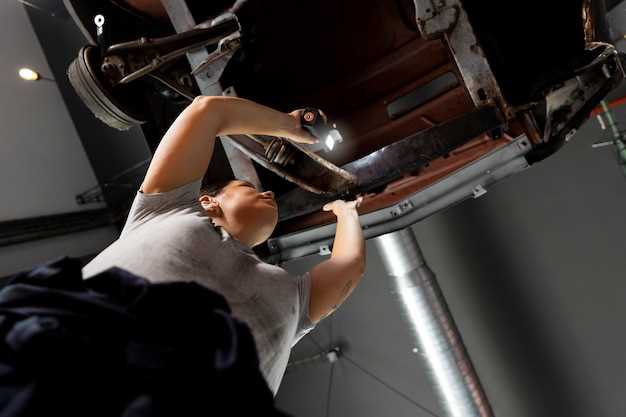
For automotive enthusiasts, the performance and efficiency of an engine are often paramount. One significant aspect that can greatly influence these characteristics is the choice of carburetor setup. The twin carb configuration, featuring two carburetors working in harmony, has become increasingly popular among performance modifiers and classic car restorers. This article delves into the mechanics and advantages of a twin carb setup, shedding light on its key components and operational nuances.
The primary function of a twin carb system is to enhance air and fuel delivery to the engine, allowing for improved combustion efficiency. By utilizing two carburetors, each cylinder bank can receive optimal fuel-air mixtures, significantly boosting overall power output. The performance benefits are particularly noticeable in engines that demand higher air flow rates, where a single carb may struggle to meet the requirements of larger displacement or high-revving setups.
Understanding the various components of a twin carb setup is essential for enthusiasts looking to optimize their vehicles. These systems typically involve matching carburetors, linkage mechanisms, and properly tuned jets, all of which must work cohesively to achieve the desired performance levels. The complexity may seem daunting at first, but mastering the intricacies of twin carbs can lead to exhilarating driving experiences and significant improvements in vehicle responsiveness.
Understanding the Basics of Twin Carburetor Systems

Twin carburetor systems are designed to enhance the performance of an engine by optimizing air and fuel intake. This setup consists of two separate carburetors that work in tandem, allowing for increased airflow and improved fuel mixture efficiency. Each carb is responsible for a portion of the engine’s total intake, facilitating a more balanced distribution of fuel and air across the cylinders.
The primary components of a twin carburetor system include the carburetors themselves, intake manifolds, throttle linkage, and sometimes, balancing bars. Each carburetor plays a crucial role in measuring and delivering the appropriate amount of air and fuel mixture to the engine. The use of twin carbs allows for a greater volume of air to enter the engine, which is essential for high-performance applications, particularly in larger displacement engines.
One of the key advantages of a twin carb setup is the ability to fine-tune the performance characteristics of the engine. Enthusiasts can adjust each carb individually, optimizing their settings for specific driving conditions or performance goals. This level of customization can lead to significant improvements in throttle response and overall power output.
Moreover, twin carb systems can enhance the sound of the engine, providing a unique auditory experience that many car enthusiasts cherish. The distinct growl produced by a well-tuned twin carb setup makes it popular among racing and performance-focused communities.
In summary, twin carburetor systems are an effective way to boost engine performance by utilizing two carburetors. The improved air and fuel delivery, combined with the ability to fine-tune settings, make this setup a favored choice among automotive enthusiasts looking to maximize their vehicle’s capabilities.
Key Adjustments for Optimal Performance in Twin Carb Setups
To achieve maximum efficiency and power from your engine utilizing a twin carb setup, several key adjustments must be considered. These components work in tandem to ensure that fuel and air are mixed properly, providing optimal combustion conditions.
1. Synchronization: The first step in fine-tuning your twin carb setup is ensuring both carburetors are synchronized. This involves adjusting the linkage between the carbs so that they open at the same rate and time, allowing for balanced airflow. Use a vacuum gauge or synchronizer tool to achieve this precise alignment.
2. Jetting: Selecting the correct jet sizes is crucial for performance. Different engines may require specific jetting based on factors such as displacement, modifications, and intended use. Experimenting with primary and secondary jets allows enthusiasts to fine-tune fuel delivery, optimizing engine performance under varying conditions.
3. Float Level: The float level in each carburetor must be adjusted correctly to ensure adequate fuel supply. An incorrect float height can lead to fuel starvation or flooding, adversely affecting engine performance. Refer to your carburetor’s specifications to set the float level accurately.
4. Air-Fuel Mixture: The air-fuel mixture ratio is vital for optimal combustion. Adjusting the mixture screws on the carbs allows users to fine-tune the ratio for different driving conditions. A richer mixture may be needed for high-load scenarios, while a leaner mixture can improve fuel economy during lighter driving.
5. Idle Speed: Setting the correct idle speed is essential for smooth operation. The idle speed adjustment screws on the carbs should be set to manufacturer specifications, ensuring that the engine runs smoothly without stalling while providing enough power to enter higher RPM ranges with ease.
By carefully adjusting these components in your twin carb setup, enthusiasts can significantly enhance their engine’s performance. Each adjustment should be made with consideration for the specific engine dynamics and driving conditions to achieve the ultimate driving experience.
Troubleshooting Common Issues in Twin Carb Installations
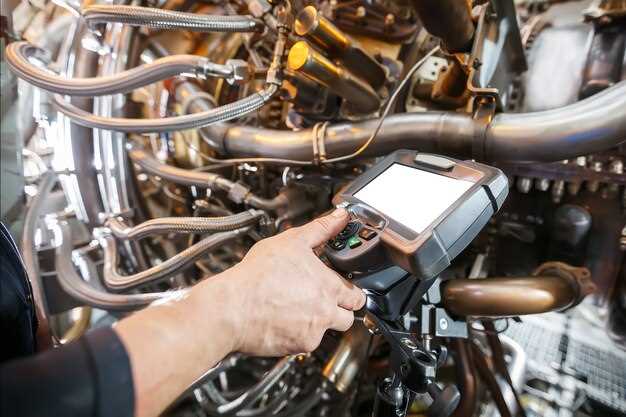
Twin carburetor setups are known for enhancing engine performance, but they can present a range of challenges during installation and tuning. Recognizing and resolving these common issues is crucial for achieving optimal performance.
One frequent problem is uneven fuel distribution between the carburetors. This can lead to a rough idle and inconsistent engine performance. Check for proper synchronization of the carburetors. Using a vacuum gauge to measure the draw on each carb can help identify discrepancies that may need adjustment.
An improperly tuned setup can also cause backfiring, particularly during acceleration. Ensure that both carb components are calibrated properly for your engine’s requirements. This includes adjusting the float height, jet sizes, and idle mixtures accordingly to achieve a balanced air-fuel ratio.
Another area to inspect is the air intake system. Ensure that both carburetors have the same airflow and that air filters are clean and unblocked. Discrepancies in airflow can lead to performance losses and throttle response issues.
Check for any vacuum leaks in the intake manifold or associated gaskets. A leak can cause an improper mixture entering the engine, leading to poor performance and potential damage. Spray a bit of carb cleaner around the gasket areas while the engine is running to identify any hissing sounds that might point to leaks.
Fuel delivery issues can also arise. If the fuel pump is underperforming or fuel lines are clogged, both carburetors may not receive adequate fuel. Inspect fuel lines, filters, and ensure that the pump is supplying fuel at the correct pressure as specified by the carburetor manufacturer.
If the engine exhibits a hard start condition, check the choke operation on both carburetors. A malfunctioning choke can prevent the engine from receiving the right fuel mixture during startup. Adjust or repair the choke mechanism as necessary.
Lastly, if you’re experiencing a drop in performance over time, methodically clean both carburetors to remove any buildup that could hinder performance. A thorough cleaning of the jets, needles, and float bowls is essential to maintain optimal function.
By addressing these common issues with careful troubleshooting and adjustments, enthusiasts can ensure their twin carb setup functions at its best, enhancing overall engine performance.


