

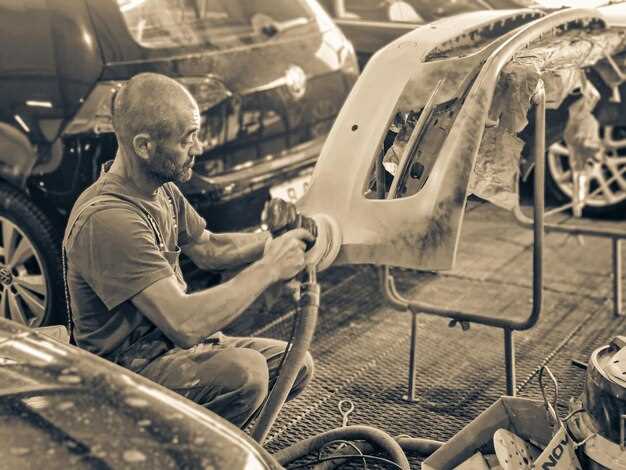
Restoration of vintage Japanese cars is not only a rewarding hobby but also a way to preserve automotive history. The charm of these classic vehicles, combined with their unique engineering, attracts enthusiasts from all over the globe. Whether you are a seasoned mechanic or a passionate newcomer, this guide aims to demystify the process of restoring these iconic cars, making it accessible to everyone.
In this step-by-step guide, we will cover essential aspects of the restoration process, including sourcing parts, understanding the mechanical systems, and achieving that perfect finish. It’s crucial to have a clear plan and solid knowledge of the vehicle you wish to restore. Each car comes with its own set of challenges, but with patience and determination, you can transform a dilapidated frame into a roadworthy masterpiece.
Understanding the significance of restoration is vital for any vintage car project. Every scratch and dent tells a story, while the process of restoration not only revives the car but also connects the owner with the heritage and culture of Japanese automotive engineering. By embracing both the challenges and the triumphs of restoration, you will develop a deeper appreciation for these extraordinary machines.
This journey requires time, resources, and a commitment to learning about the intricacies of the cars you love. Prepare to immerse yourself in the world of vintage Japanese cars, and let’s embark on this adventure together, step by step.
Assessing the Condition of Your Vintage Japanese Car
Before embarking on the restoration journey of your classic Japanese car, it’s crucial to thoroughly assess its condition. This evaluation helps you understand the scope of the project and prioritize your efforts effectively.
Start by examining the exterior for any signs of rust, corrosion, or damage. Pay special attention to the wheel arches, undercarriage, and areas around the windshield and doors. A well-preserved body is essential for maintaining the classic aesthetics and structural integrity of the vehicle.
Next, inspect the interior for wear and tear. Check the condition of the seats, dashboard, and upholstery. Original parts may enhance the car’s value, so consider the potential cost of restoring or replacing worn components.
Evaluate the engine and mechanical systems, including the transmission, brakes, and suspension. Look for leaks, unusual sounds, or any signs of wear. A compression test can provide valuable information about the engine’s health and its suitability for restoration.
Don’t forget to assess the electrical systems, including wiring, lights, and instruments. Vintage cars often have outdated electrical components that may require upgrading or replacing to ensure reliability during your restoration.
Finally, document all findings in detail. This record will serve as a reference throughout the restoration process, helping you keep track of necessary repairs and improvements. Understanding the condition of your vintage Japanese car is the first step towards a successful restoration that preserves its classic charm and character.
Finding Authentic Parts for Your Restoration Project

When embarking on the restoration of a vintage Japanese car, sourcing authentic parts is crucial to achieving a high-quality finished product. These classic vehicles often require specific components that can be challenging to find, but with the right approach, you can successfully locate the parts you need.
Start by researching your vehicle’s make and model to understand the specific components required for the restoration. Online forums, enthusiast clubs, and social media groups are valuable resources for connecting with other restoration enthusiasts who may have insights or leads on parts availability.
Consider utilizing dedicated online marketplaces that specialize in classic car parts. Websites like eBay, JDM parts suppliers, and automotive salvage yards can offer components that are no longer in production. Ensure that the sellers have good reputations and look for reviews to validate their offerings.
Another effective strategy is to attend classic car shows and conventions. These events often have vendors and enthusiasts displaying parts for sale or trade. Networking at these gatherings can lead to valuable connections within the classic car community and potentially uncover hard-to-find pieces.
Restoration specialists and shops with experience in vintage Japanese vehicles are also excellent resources. They often have access to a network of suppliers and may be able to source parts that you cannot find on your own. Additionally, they can offer advice on substitutes for components that are no longer available, ensuring your restoration remains true to its original design.
Finally, do not hesitate to reach out to manufacturers that once produced parts for your model. Some companies may still offer reproduction parts or could guide you to suppliers with authentic components. This proactive approach not only helps in finding required parts but also honors the history of your classic Japanese vehicle.
Techniques for Paint and Interior Restoration
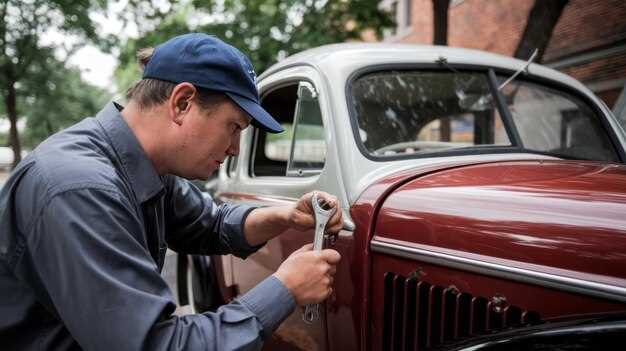
When restoring vintage Japanese cars, achieving an immaculate finish requires careful attention to both paint and interior restoration. Each area presents unique challenges and techniques to ensure authenticity and aesthetic appeal.
For paint restoration, start by assessing the existing finish. A thorough wash followed by clay bar treatment removes contaminants that traditional washing may miss. Once clean, inspect for rust or damage. Depending on the severity, sanding may be necessary. Use a dual-action sander for larger areas and hand sanding for detailed work, ensuring to feather-edge around imperfections.
After preparing the surface, apply a primer suitable for the original paint type. Allow adequate drying time before proceeding. When selecting paint, opt for high-quality products specifically formulated for automotive use. Use a spray gun for even application, maintaining consistent distance and speed to prevent runs and orange peel effects. For optimal results, several thin coats are preferable over a single thick coat. Finish with a clear coat to protect the paint and enhance shine.
Interior restoration focuses on various materials, including upholstery, dashboard components, and trim. Start by removing old materials carefully to preserve original structures. Assess leather or vinyl surfaces for damage; cleaning solutions can often revitalize these materials. In cases where reupholstery is needed, strive to source fabrics that match or closely resemble the original. Use a staple gun for upholstery, ensuring tight, smooth finishes.
For dashboards and plastic parts, thorough cleaning is essential. Use appropriate cleaners that won’t damage surfaces. Once clean, consider applying a UV protectant to prevent future fading. If paint touch-ups are necessary, opting for a color-matched spray may yield the best results.
Maintaining originality is crucial in restoration projects. Researching factory specifications for colors, materials, and finishes ensures that all aspects of the restoration align with the vehicle’s heritage, preserving its value and character for years to come.


